by Angela Balas | Jul 29, 2020 | Articles
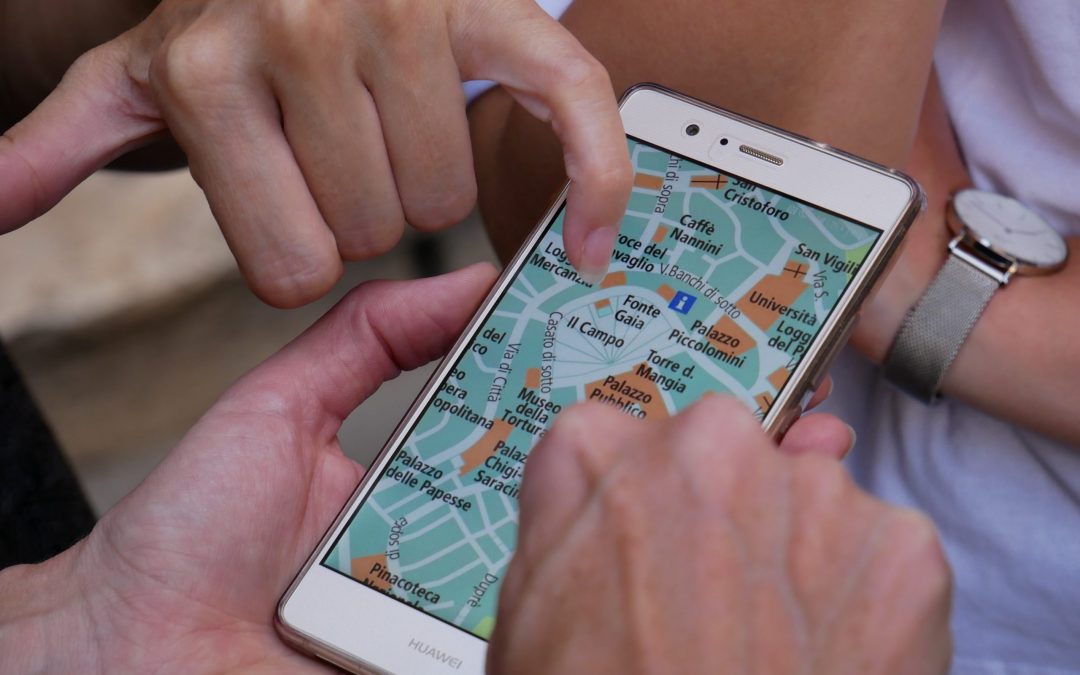
Museums, healthcare facilities, and airlines are all beginning to take advantage of AR digital wayfinding. Wayfinding– which refers to the process or activity of ascertaining one’s position and planning and following a route– can be useful in many situations.
We have all dealt with frustrations in navigating our way to a destination–sometimes with a time crunch– to only wish we had more useful tools to help. For example, when traveling in a foreign country, one may need to board their next flight in a timely manner. Navigating through an unfamiliar airport can be intimidating– especially with signage in a different language. Thus, forcing someone to rely on airport personnel for information and assistance.
As current technology continues to expand, AR wayfinding can improve the experience of navigation forever. In an article by Mobiddiction, it is revealed that Augmented Reality wayfinding is more reliable than GPS. The article points out that, “ The AR system is so precise it can guide users to a distant gate in a busy airport or even a specific bed in a vast medical facility complex.”
We see new companies being developed such as Visualix that utilize AR cloud wayfinding technology to make business and visual asset management easier. For utility workers that need assistance in tracking assets and a better understanding of their surroundings, 3D wayfinding is a plausible solution.
As written in the article, “Beyond improving finding your way around supermarkets, galleries, museums, conferences and more, AR can also improve accessibility for visually impaired users by providing turn-by-turn audio prompts.” The brilliant combination of audio and visual overlay creates an elite navigation system that assists all sectors of the community.
Assistive technology, such as AR wayfinding, can extend our abilities to understand the world around us. Per Mobiddiction, over 75% of smartphone owners regularly use navigation apps. Therefore, why not transform the existing navigation system to make it more efficient, safe, and engaging. It is exciting to think about the vast opportunities for augmented reality to become a part of our daily lives. Just as getting around the city was more difficult before Uber, we may look back and remember how grueling indoor navigation was before Augmented reality.
What do you think? Feel free to leave any comments below!
by Angela Balas | Jul 16, 2020 | Uncategorized
The utility industry faces future workforce problems, as baby boomers retire. In addition to this, safety and efficiency are on-going issues. We have seen the rise of Augmented Reality (AR), which allows for the real-world environment to be painted over with digital enhancements. Other variants of this such as mixed reality, artificial intelligence, and assisted reality are set to take off in a big way. However, how do emerging technologies tie into the energy and utility sector?
According to an article by GloblaData Energy, “AR may benefit investor-owned, municipal and cooperative utilities in improving business processes, speed power restoration and help address the challenge of an aging, retiring utility workforce facilitating the preservation of institutional knowledge.”
As mentioned with aging workers retiring, the energy sector will need to train and hire thousands of new employees. This poses a challenge because novice employees may not be familiar or experienced enough to work with dangerous equipment or circumstances. AR has the ability to allow new trainees to interact with 3D models of equipment and gain a better understanding of how they function. Thus, enabling more “in-depth training and faster information retention.”
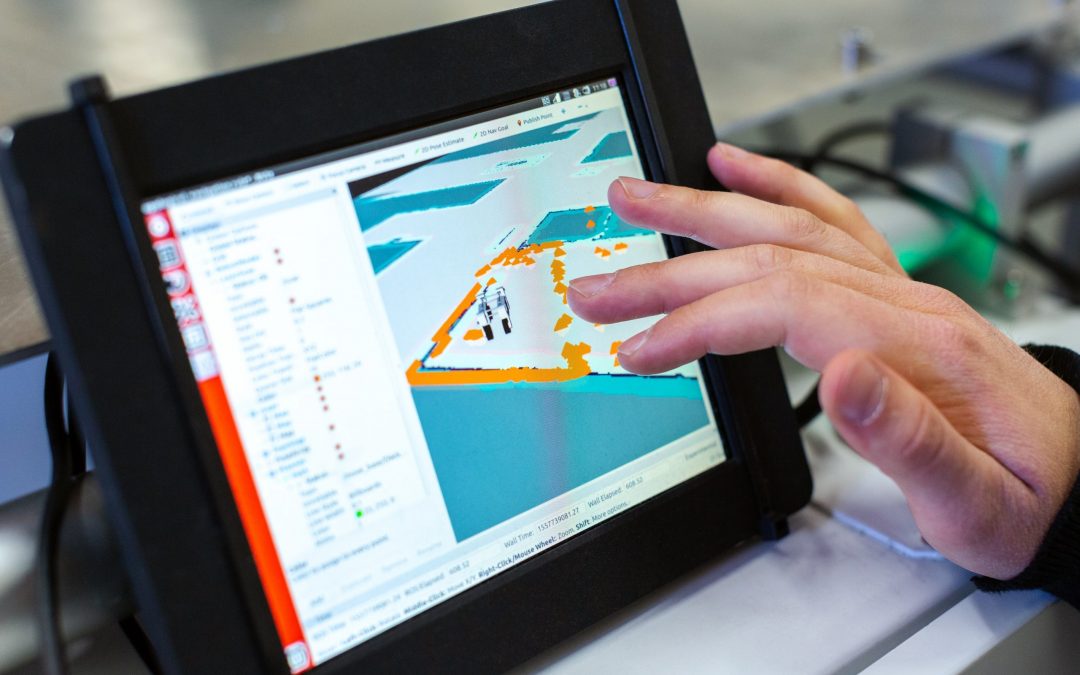
AR can also be developed to fit in with existing data in the field. For example, the article reveals systems being designed that “combine GIS technology with AR to display infrastructure such as pipes, lines, cables and other assets in-field and in real-time.”
It is clear that AR allows for greater visualization of underground assets and equipment. Not only that, but according to GlobalData Energy, accidents may be reduced by AR- wearables or devices that “enable a subject matter expert to advise a field technician on what steps to take.” By implementing such technology, safety can be kept at the forefront.
As the saying goes, “knowledge is power”—AR can expedite years of knowledge by experts in the industry to increase overall efficiency and productivity. The power that emerging technologies are set to have on the utility segment cannot be overlooked.
We would love to hear from you on how you think AR will impact the energy sector!
by Angela Balas | Jul 1, 2020 | Articles
The COVID-19 outbreak challenges businesses across the world and forces them to realize the importance of information technologies. With restrictions, such as social distancing, inability to travel, and disrupted supply chains, companies must adapt. Per a survey done by Grid Raster, 56% of businesses have implemented some form of AR/VR technologies, and another 35% are considering doing so. With COVID-19 accelerating the adoption of other online services, such as zoom, enterprise AR is the obvious next step.
As mentioned in a recent article from the AREA, “Augmented Reality can help mitigate the business impact while supporting business continuity through the pandemic.”
For the utility industry, social distancing can be especially difficult. Frontline workers may not be able to go on-site and maintain issues. This is where technologies such as AR-enhanced remote assistance come into play.
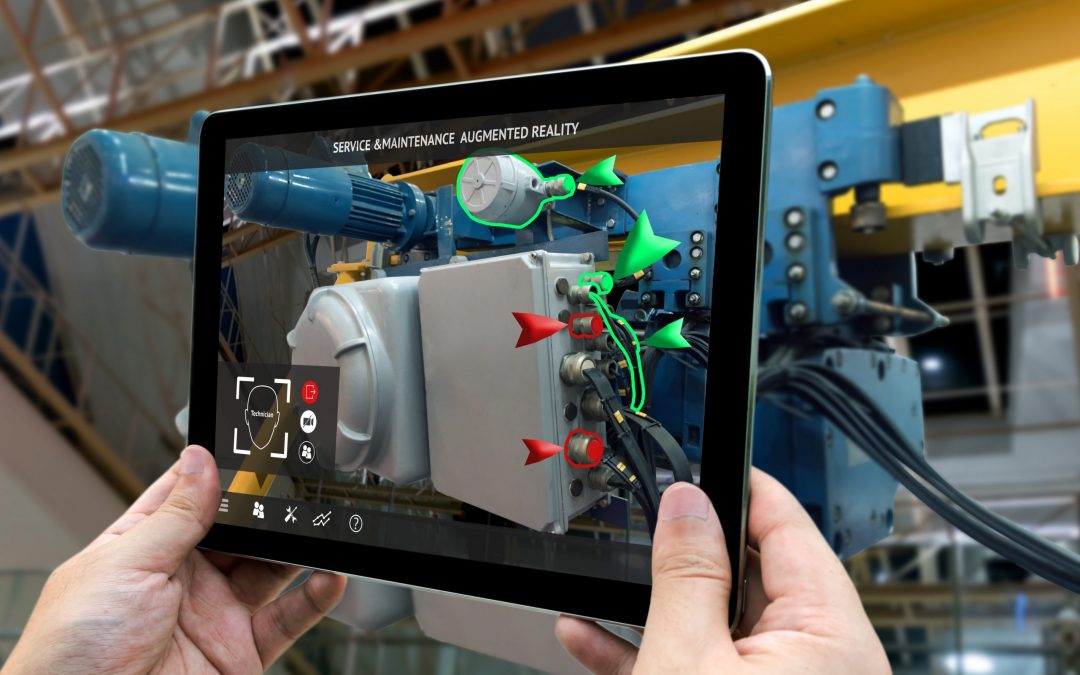
According to Sarah Reynolds, “AR-enhanced remote assistance enables product experts to connect with on-site employees and even end customers to offer them contextualized information and expert guidance, helping them resolve these issues quickly and ultimately reduce downtime. AR-enabled remote assistance marries the physical and the digital worlds – allowing experts and front-line workers to digitally annotate the physical world around them to improve the clarity, precision, and accuracy of their communication and collaboration.”
Similarly, AR can provide assistance to healthcare workers who need medical training or help with equipment changeover. AR-enhanced methods reduce human error – and streamline the otherwise complicated learning process.
As pointed out by the AREA, AR supports remote collaboration. “AR enables users who are physically separated to be able to “inhabit” a shared virtual space, distributed by the AR application.” Although organizations are utilizing video conferencing software, AR is the missing puzzle piece. With many people working from home, one crucial element is missing: collaboration. It is difficult to share information and communicate without face-to-face interaction. By taking advantage of AR, businesses can expand and thrive in the COVID-19 pandemic, and in the future to come.
How do you think COVID-19 will shift the use of digital technologies? Will Augmented Reality fill in the missing pieces for enterprise and e-commerce companies? Leave your thoughts below!
